MINECRAFT: EDUCATION EDITION
Turning a Classroom Into a Learning Resource
Producer / Director of Photography | Microsoft + Filmateria Studios | Pensacola, FL
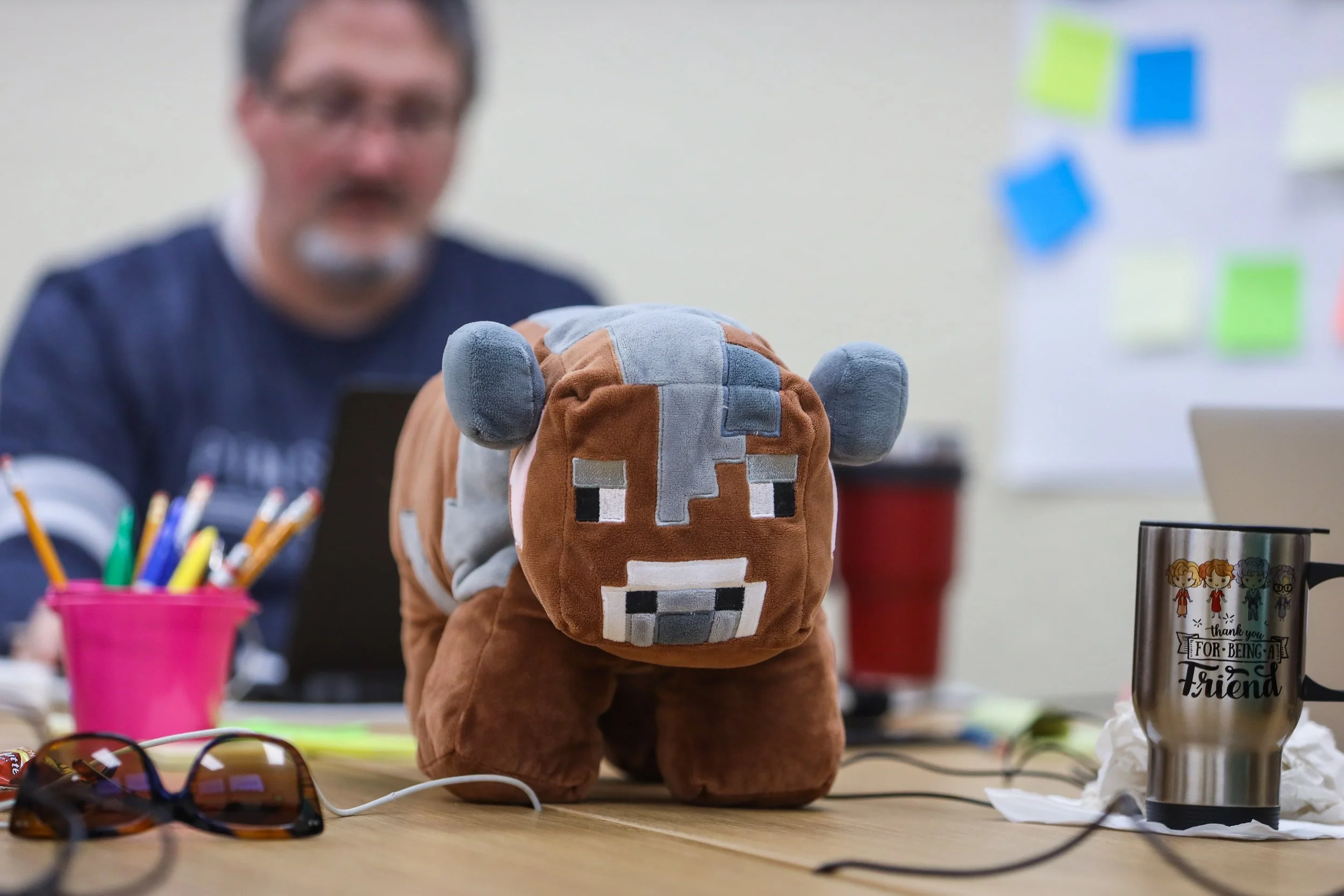
THE PROJECT
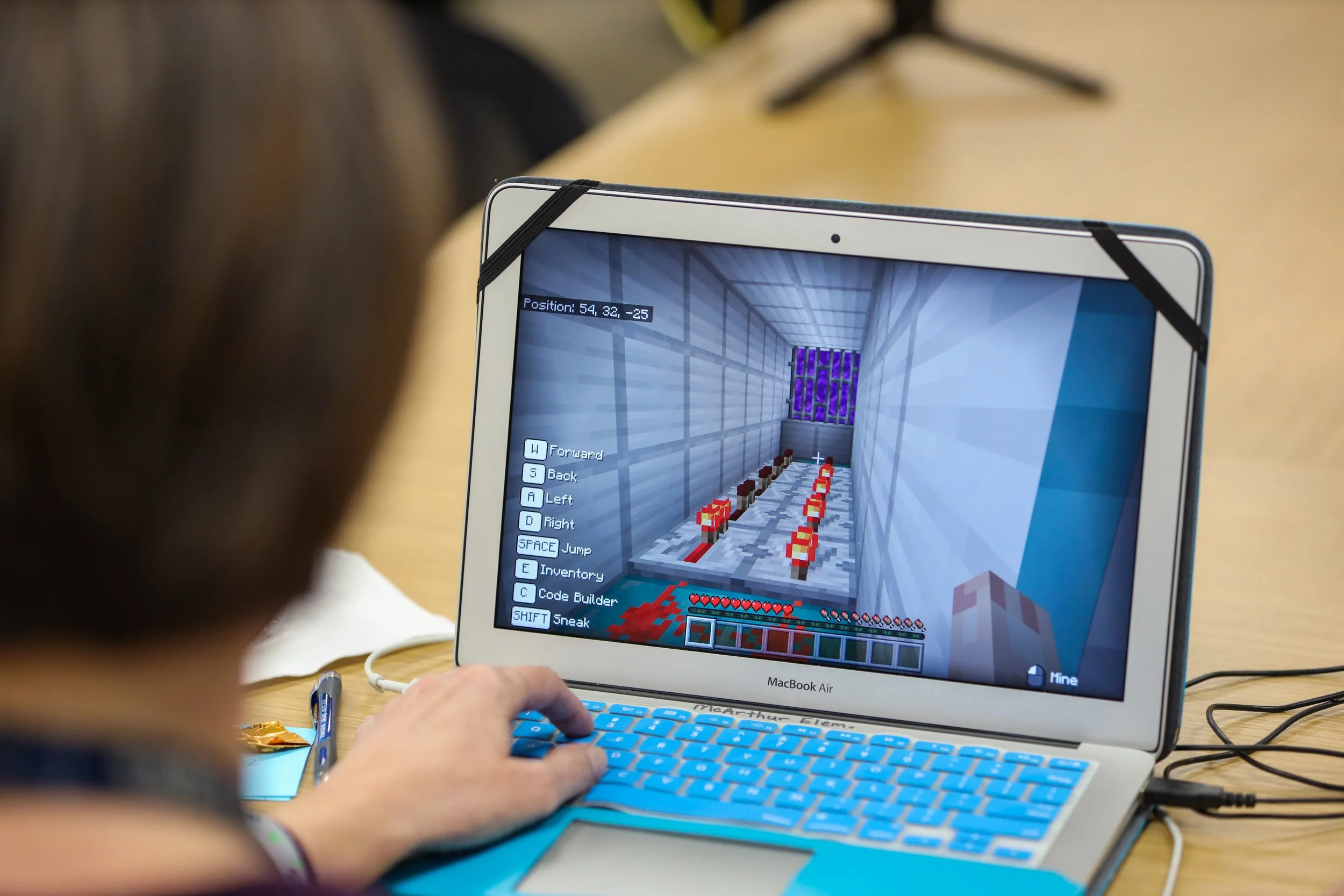
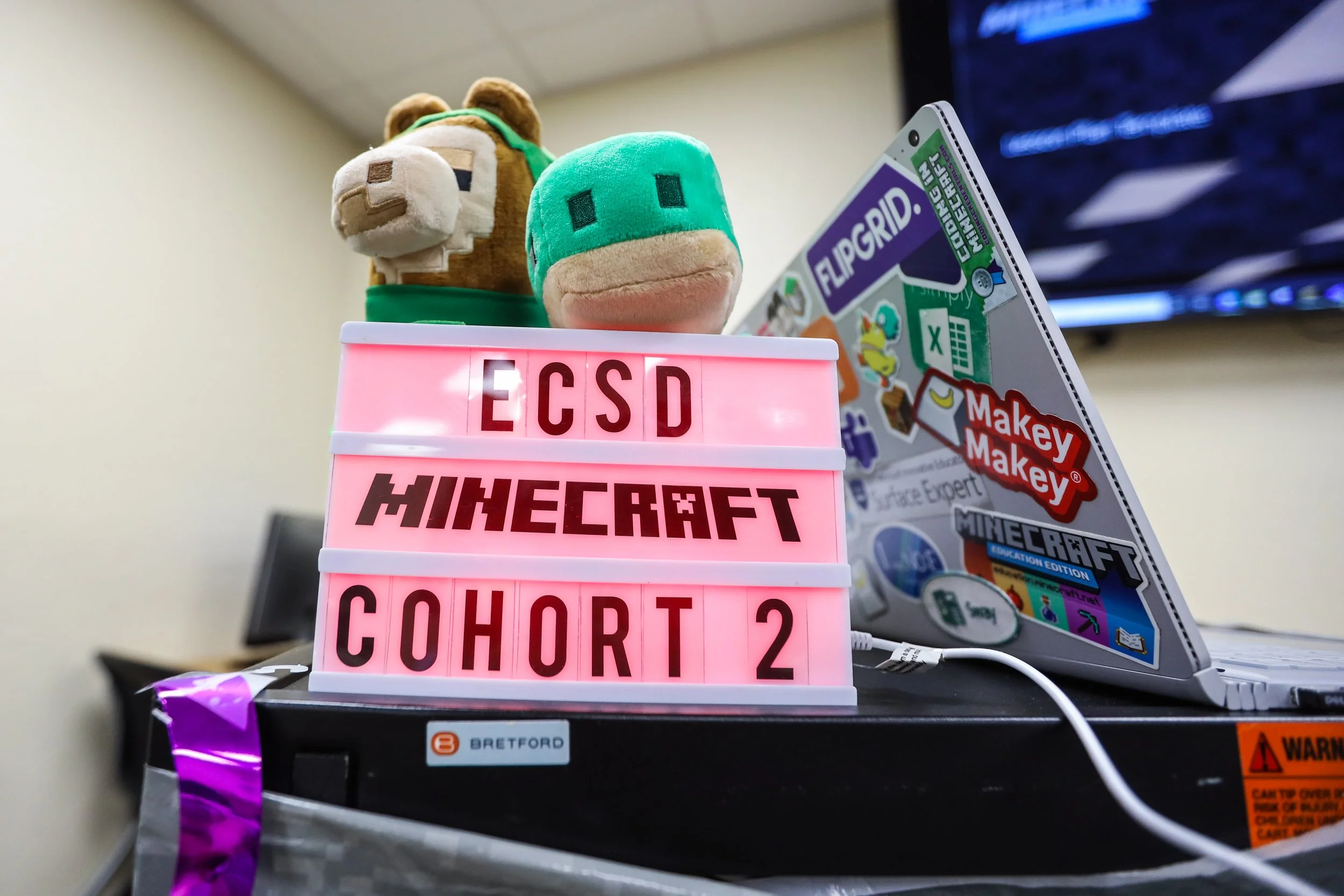
Minecraft: Education Edition gives educators a different way to bring collaboration, creativity, and problem-solving into the classroom. In Pensacola, teachers came together for an intensive two-day training program designed to help them understand the platform, learn its mechanics, and explore how Minecraft could become part of their own curriculum.
Filmateria was brought in to document the training so the experience could extend beyond the people in the room. The goal was to capture the sessions comprehensively enough that the material could be edited into a learning resource for educators who weren't able to attend in person.
MY ROLE
As Producer / Director of Photography, I helped design and execute the production approach for the two-day shoot.
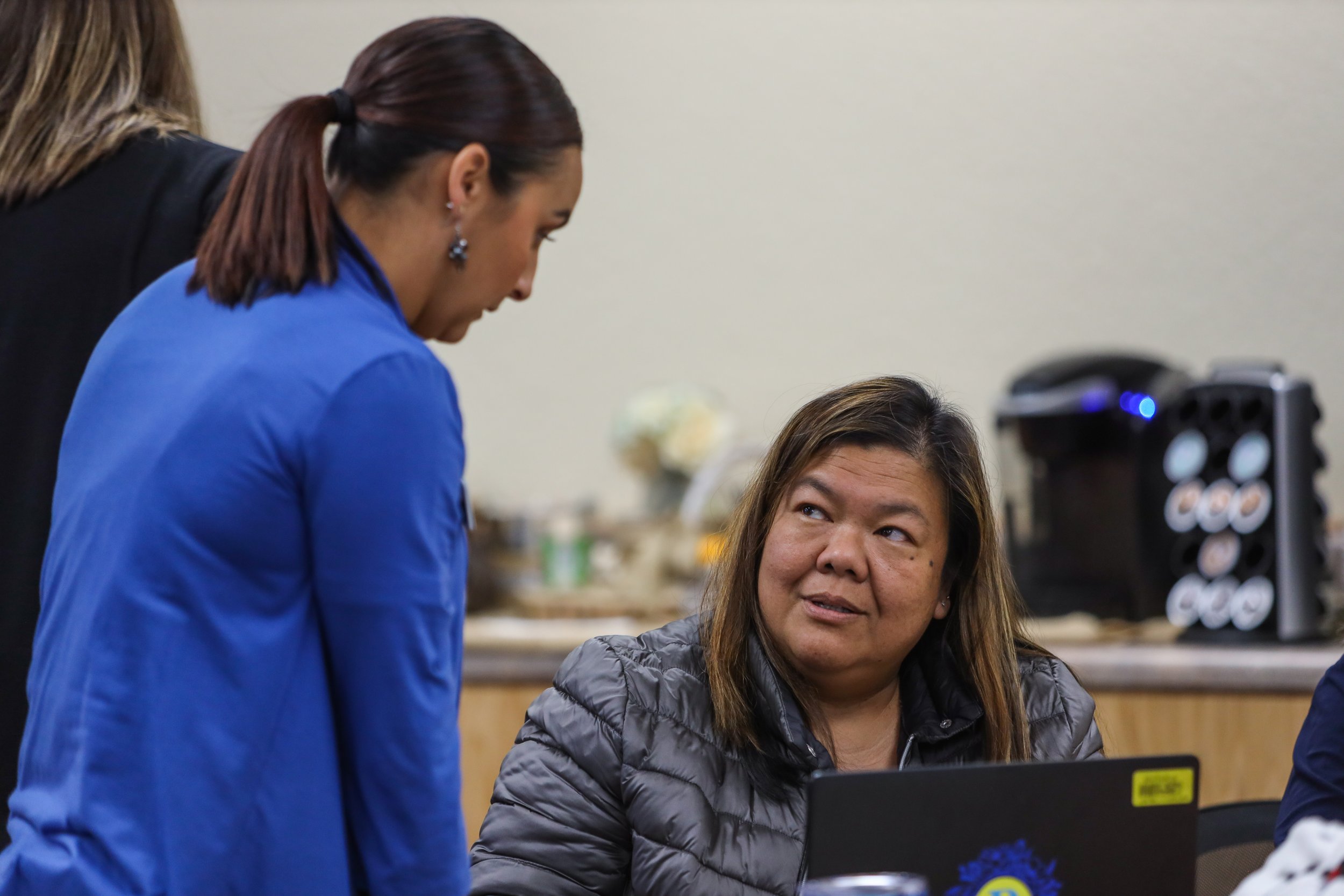
With only a two-person crew, we needed to cover hours of instruction from multiple perspectives while simultaneously capturing clean audio, photography, classroom interactions, and the smaller moments that showed how educators were actually engaging with the platform.
That meant building a setup that could do a lot without becoming disruptive to the classroom itself.
A SMALL CREW, BUILT TO COVER EVERYTHING
The production was intentionally lean, but the coverage couldn't be.
We operated three camera angles and captured audio from multiple sources while photographing the training and managing media throughout the day. With long sessions and no opportunity to recreate what happened, the technical workflow had to be dependable enough to keep recording while still allowing us to respond to conversations and interactions happening around the room.
Between sessions, we backed up and organized media on-site, making sure everything captured over the course of the training was accounted for and ready for post-production.
DOCUMENTING HOW PEOPLE LEARN
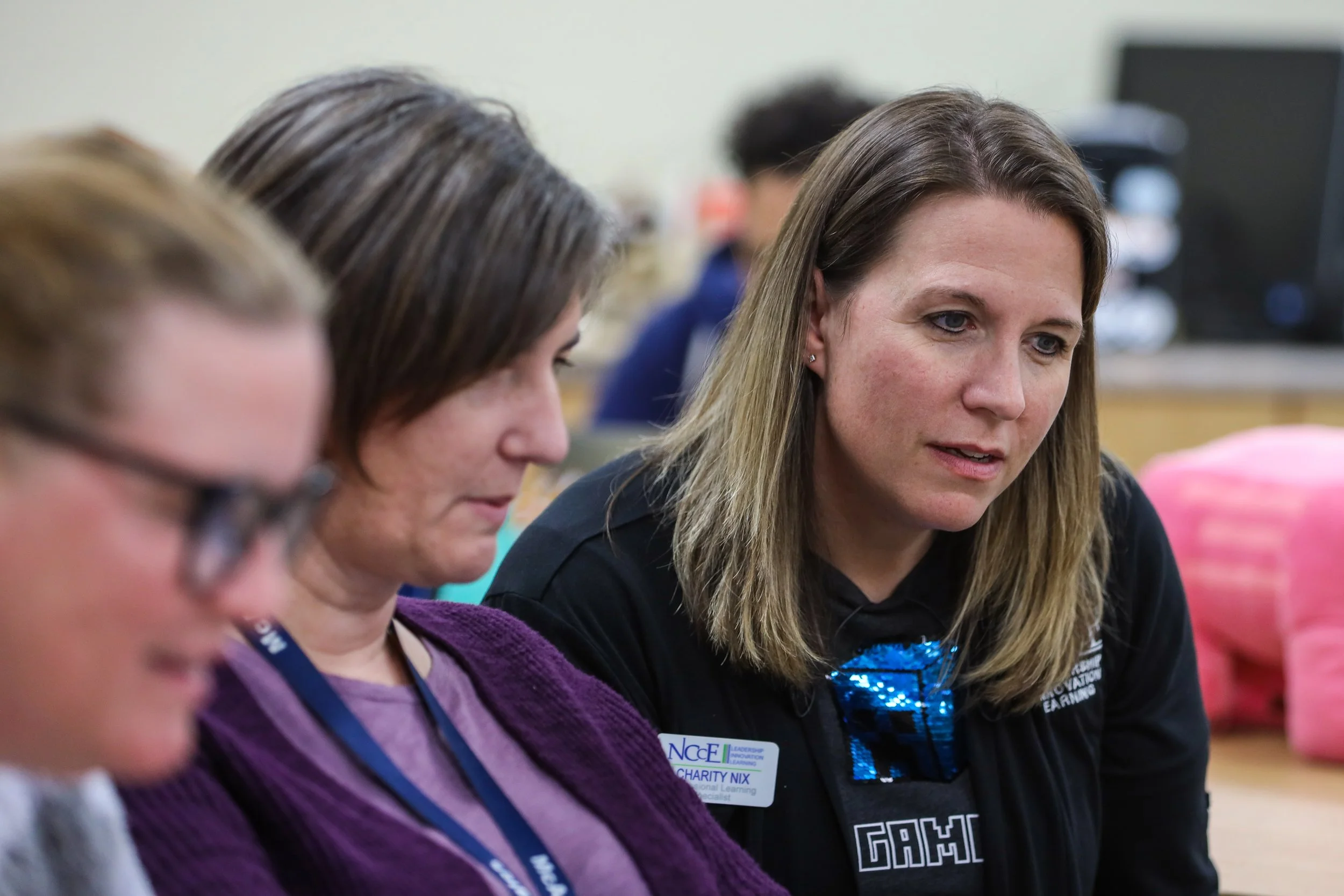
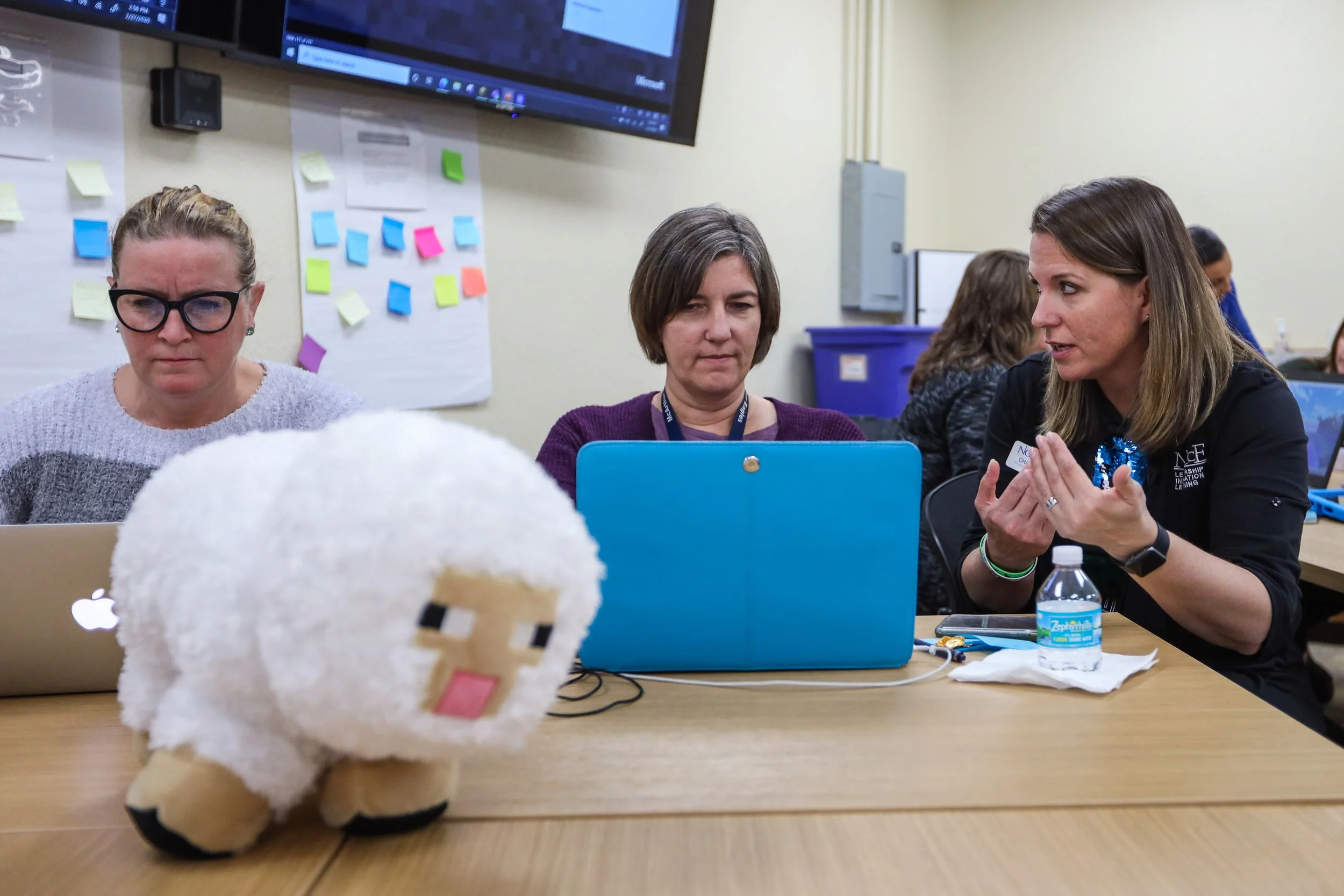
Beyond recording the instruction itself, I wanted the photography and supporting footage to show what happened when educators began using Minecraft for themselves.
Those moments gave the project its human side: teachers experimenting with unfamiliar tools, asking questions, working through problems together, and beginning to see how something they knew as a game could become a teaching environment.
The result was more than documentation of a training session. We created a library of video, audio, and photography that could help extend the experience beyond Pensacola and support educators learning from it remotely.